


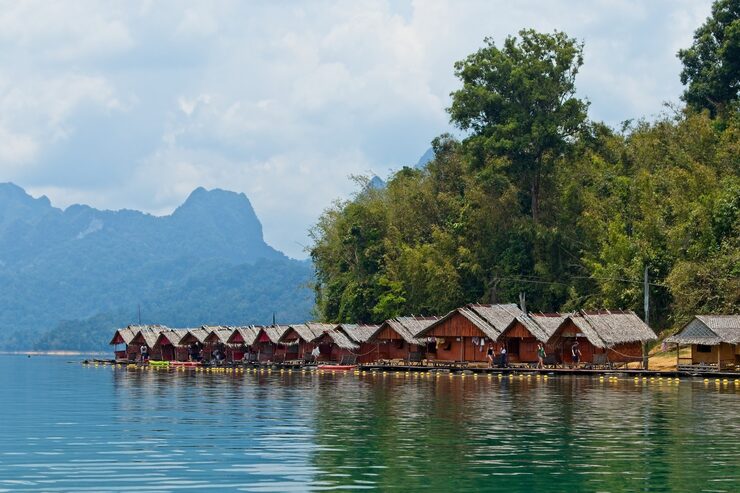
Nestled on the western shore of Lake Toba, the Batak Museum and TB Silalahi Center stand as powerful tributes to the proud heritage of the Batak people — one of Indonesia’s most vibrant and culturally rich ethnic groups. For those following Indonesia Travel, this cultural complex offers more than just history; it’s a living experience that connects visitors to the spirit, artistry, and ancestral wisdom of the Batak civilization.
With the breathtaking Lake Toba as a backdrop — the world’s largest volcanic lake — the museum complex blends nature and culture seamlessly. Here, the crisp highland air, lush greenery, and calm blue waters set the stage for a deep and inspiring journey into Batak identity.
The Legacy of TB Silalahi: Preserving Batak Culture
A Vision Rooted in Pride and Heritage
The TB Silalahi Center was founded by TB Silalahi, a respected figure and native son of North Sumatra, who envisioned a place that would honor Batak culture and inspire younger generations to appreciate their roots. His dream was to create a space where history, tradition, and modern education could coexist — celebrating the Batak people’s contributions to Indonesia and beyond.
For travelers exploring Indonesia Travel, this center is more than a museum; it’s a cultural sanctuary that showcases the values of hard work, courage, and community that define Batak society.
Exploring the Batak Museum
A Journey Through Tradition and Daily Life
The Batak Museum, located within the TB Silalahi Center, houses an extensive collection of artifacts that tell the story of Batak civilization through centuries. From intricately carved ulos (traditional woven cloth) and gorga (wood carvings) to ancient musical instruments and traditional weapons, each display captures a fragment of the Batak way of life.
Visitors can explore exhibits showcasing Batak architecture, including miniature replicas of the iconic Rumah Bolon — traditional Batak houses with high, pointed roofs and symbolic carvings. These structures reflect not just craftsmanship but also spiritual beliefs, as every ornament and pattern has meaning tied to family, strength, and protection.
Through guided tours, visitors gain deeper insights into Batak rituals, community life, and social structures that have shaped generations across North Sumatra.
The Living Heritage Village
Reconstructed Traditional Houses and Cultural Performances
One of the most captivating parts of the TB Silalahi Center is its open-air cultural village, featuring reconstructed traditional Batak houses from different sub-ethnic groups such as Toba, Karo, and Simalungun. Walking through this area feels like stepping back in time — a chance to witness how Batak families once lived, farmed, and celebrated life.
At certain times of the year, visitors can enjoy cultural performances featuring tortor, the traditional Batak dance accompanied by the rhythmic beat of gondang drums. These performances bring history to life, showing how music and dance play vital roles in Batak ceremonies and storytelling.
For culture lovers and photographers exploring Indonesia Travel, these scenes are both educational and breathtakingly photogenic.
The Museum of TB Silalahi: A Personal Legacy
From Local Son to National Leader
Alongside the Batak Museum, the TB Silalahi Museum tells the life story of its founder — from his humble beginnings in North Sumatra to his achievements as a national leader. Personal artifacts, photos, and awards displayed here highlight his dedication to education, military service, and cultural preservation.
His journey symbolizes the strength and perseverance deeply rooted in Batak values. Many visitors leave inspired, reflecting on how one individual’s passion for heritage can lead to a lasting cultural impact.
A Perfect Stop Along Your Lake Toba Journey
Connecting Culture, Nature, and Spirituality
A visit to the Batak Museum and TB Silalahi Center perfectly complements a trip around Lake Toba. After exploring the museum, visitors can stroll down to the lake’s edge, enjoy local cuisine like Naniura (Batak-style marinated fish), or relax while watching the sunset over the calm volcanic waters.
Nearby attractions such as Balige Market, Lumban Silintong Village, and Samosir Island offer even more opportunities to experience the charm and diversity of the region — all part of the incredible adventure that is Indonesia Travel.
Conclusion
The Batak Museum and TB Silalahi Center are more than historical landmarks — they are vibrant cultural institutions that embody the resilience and pride of the Batak people. For travelers seeking a deeper understanding of Indonesia’s diverse heritage, this destination is a must-visit along the shores of Lake Toba. Through its exhibits, architecture, and inspiring legacy, the center invites everyone to celebrate the living traditions of North Sumatra — a powerful reminder that in the heart of Indonesia Travel, culture and identity continue to thrive.